Walk south from the nature trail on almost any weeknight and the block changes character before you notice you've crossed a line. The oak canopy thins, the porch lights give way to string lights, and somewhere around NE 83rd Street you're standing outside a food hall with a rooftop bar and a dozen kitchens working at once. That block sits in Little River, not El Portal. The village's own boundary runs along the Little River Canal a few streets north. But if you live in El Portal and you're deciding where to eat tonight, this is almost certainly where you end up, because the village itself was never built to have a commercial strip of its own.
That's the part worth sitting with. El Portal is roughly a square mile of single-family homes, a handful of low apartment buildings, and a bird sanctuary designation the state gave the village back in the 1950s, protecting its trees and wildlife village-wide. What it doesn't have, and never really has, is a downtown. So the actual social life of an El Portal resident, the place you grab dinner or a coffee or a beer with a neighbor, runs on a corridor that technically belongs to the next zip code over. The corner has been changing shape all year, and if you haven't walked it lately, some of what you remember isn't there anymore.
The Citadel keeps swapping out its kitchens
The Citadel sits at 8300 NE 2nd Avenue, a multi-level food hall and market built inside a former industrial building, and its defining feature isn't any single vendor. It's the turnover. Concepts rotate in and out on a schedule that has nothing to do with the seasons or the calendar, so the roster you ate from last year isn't the one you'll find now.
Right now, the lineup includes United States Burger Service, known locally by its initials USBS, turning out what regulars on Tripadvisor and Resy both single out as some of the better burgers in the neighborhood. Ash! Pizza Parlor, a wood-fired Neapolitan concept from the same team behind Stanzione 87, handles the pizza. Yuzu covers ramen, and Frice Cream handles dessert. One recent Tripadvisor review mentioned fresh pasta from a stall called Borti's and fried oysters from Miami Shores Seafood, which gives you a sense of how fluid the tenant list actually is from one visit to the next. There's also a standing vintage and plant market tucked into the space, so a trip for dinner can turn into a trip home with a succulent or a secondhand jacket.
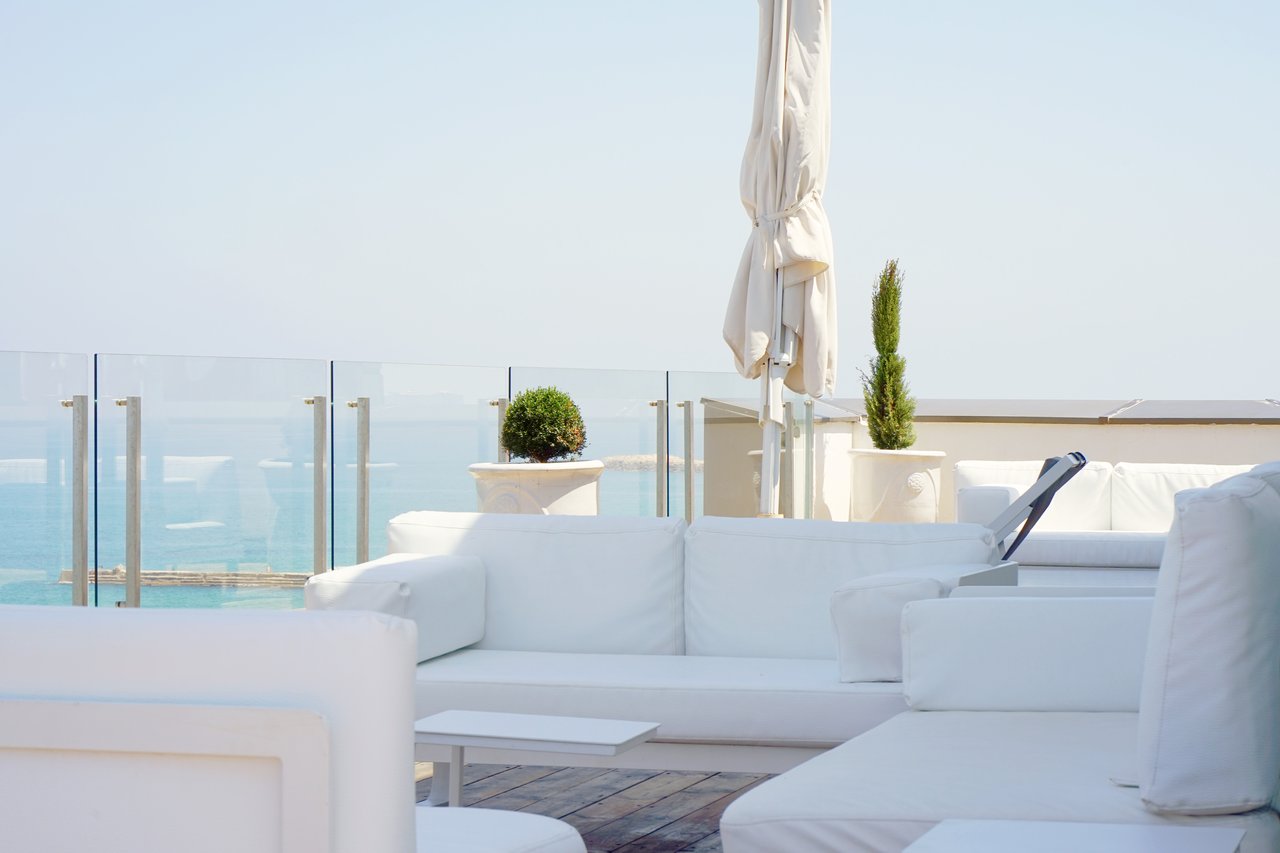
The rooftop is the other half of the draw. It runs later than the ground floor, seats guests until 10 p.m. for food, and turns 18-and-up after 9. If you're the kind of resident who wants a table with a view of the neighborhood rather than a view of a menu, that's the move. You can order from any of the ground-floor vendors and have it brought up to you.
None of this is fixed. The tabski.com food hall directory describes The Citadel bluntly as a spot "known for rotating food concepts," which is the honest way to put it. The vendor you love this fall might not be the one you find there next spring, and that instability is the point rather than a flaw. It's a food hall built for a neighborhood that doesn't have a fixed commercial identity of its own, so it borrows some of that same restlessness.
The corner spot changed its name, not its bones
A block down at 8250 NE 2nd Avenue, the story is different but points the same direction. For years this corner ran as Off Site Kitchen, a comfort-food spot known for its fried chicken sandwich and burgers. It's still there, and the fried chicken sandwich and the Classic Burger are still the standouts, but the name over the door now reads NO SEASONS Beer + Off Site Kitchen, reflecting new ownership under Theo Castillo, who runs the in-house NO SEASONS beer program that now shares equal billing with the kitchen. The spot was originally founded by Adam Darnell of Boxelder and Steve Santana of Taquiza, two names that carry weight in Miami's independent food scene, and the current operation still leans on that pedigree even as the branding shifts around it.
What hasn't changed is the food. The Country Cuban and Cheesesteak are still on the menu alongside the burger and the chicken sandwich, and the fries, twice-cooked and finished in beef tallow, are still the detail regulars mention first. What's new is what's in the glass. The house lagers under the NO SEASONS label are brewed on site, and there's a Butterfly Pea Lemonade for anyone skipping the beer. Parking is behind the building, which matters more than it sounds like it should on a block where street spots disappear fast on a Friday night.
The rebrand is a small thing on its own. But paired with The Citadel's constant vendor churn one block up, it tells you something about this corridor as a whole. It doesn't sit still. A resident who last ordered here two years ago is ordering from a business with a different name today, cooked by mostly the same hands, in the same building, at the same address.
The rest of the walk, and the quiet half
The corridor has more than these two stops if you keep going. Pinch Kitchen and Bar runs a smaller, quieter room nearby with comfort food built around burgers and pasta rather than a rotating cast of vendors. La Santa Taqueria covers the gap for anyone who wants tacos without a wait for a table. Between the four of them, a resident who wants a different kind of night out has options within a ten-minute walk of the village line without needing a car.
Then there's the other direction. Head north instead of south and the noise falls away almost immediately. The El Portal Nature Trail winds through the village itself, part of a bird sanctuary designation that has protected the trees and wildlife here since the 1950s, and the contrast with the food hall corridor is close to total. One direction gets you a rooftop bar with a DJ. The other gets you a hardwood canopy and whatever bird happened to be nesting nearby that week. Most residents probably use both without thinking of them as opposite ends of the same short walk, but they are, and that's a fair description of what living in El Portal actually feels like day to day. The village supplies the quiet. The block just past its own border supplies almost everything else.
None of this shows up if you only look at El Portal on a map, where the village reads as pure residential, gates long gone, streets named for a forest that mostly still stands. The map is accurate. It's just incomplete, because it can't show you where people actually walk on a Tuesday night, and that walk, for most of this village, ends at a food hall that isn't technically inside it.
If you're weighing a move into El Portal, or you already live here and you're curious what a property on this side of the canal is actually worth given how the corridor around it keeps evolving, Bryan Halda can walk you through what's changed on the ground and what that means for your own address.