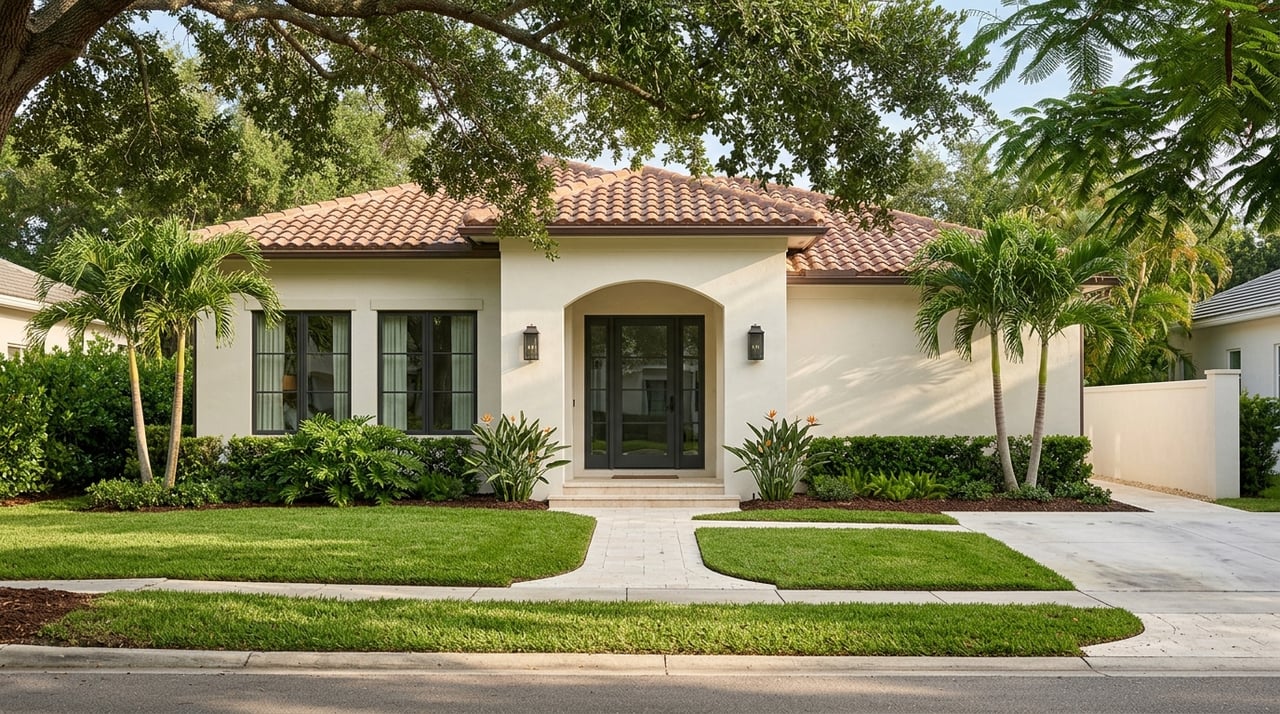
If you want a Miami-area address that feels calm, green, and genuinely rooted, El Portal stands out fast. In a region known for speed and spectacle, this tiny village offers a different kind of daily experience, one shaped by shade trees, older homes, and a quieter rhythm. If you are curious about what life here is really like, this guide will help you picture the setting, the pace, and the practical lifestyle tradeoffs. Let’s dive in.
El Portal feels small in the best way
El Portal is not a sprawling neighborhood with endless commercial corridors. It is a compact incorporated village in Miami-Dade County with about 1,809 residents across just 0.4 square miles, which gives it a close-knit, residential feel.
That small scale changes how the area reads when you drive or walk through it. Instead of feeling anonymous or overly built out, El Portal tends to feel intimate, established, and tucked into its own pocket between Miami and Miami Shores.
Village materials describe it as being just minutes from downtown Miami, and that helps explain one of its biggest draws. You can stay connected to the wider city while living in a setting that feels more removed from the daily rush.
Nature shapes everyday life
One of the first things many people notice about El Portal is how green it feels. The village is widely described as a designated bird sanctuary, and local materials consistently point to trees, parks, and stewardship as part of its identity.
That nature-forward character is not just branding. The El Portal Nature Trail runs beside the Little River, and official tourism information notes that residents may even spot manatees in cooler months.
You also see the natural setting in smaller daily moments. Shaded streets, tropical birds, and peacocks moving through the area help create a sense that nature is part of the neighborhood, not something you have to drive to enjoy.
Quiet streets, older homes, real character
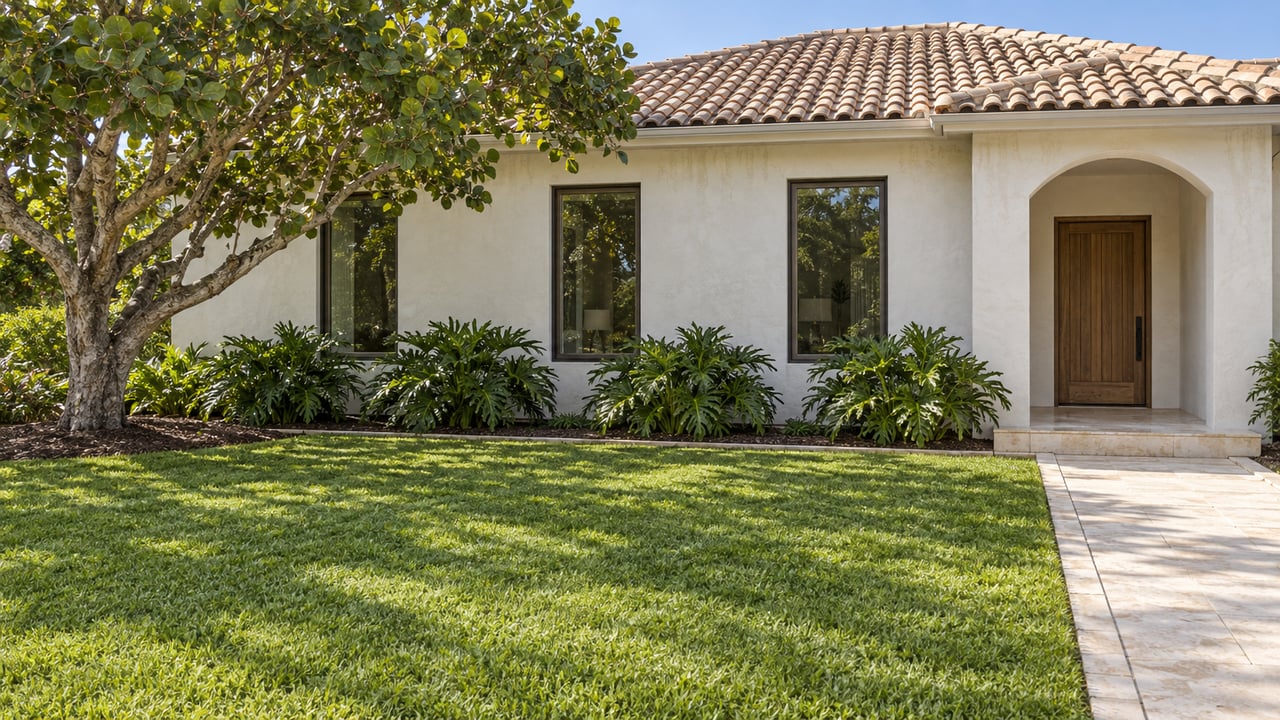
El Portal tends to appeal to people who want a neighborhood with texture. Village planning documents describe it as a residential community of single-family cottages and bungalows with shaded streets lined by live oaks.
That kind of built environment creates a different feeling from newer, more uniform communities. Here, the visual story is often older front yards, mature trees, and architectural variety rather than repetition.
The result is a place that feels lived-in instead of staged. If you value character over sameness, El Portal offers a setting that feels personal and layered.
History is part of the atmosphere
El Portal is not just old by South Florida standards. Its history page traces settlement back to 1843, and the village was incorporated in 1937.
The deeper story shows up in the El Portal Archaeological Zone, which was designated in 1983 by the Miami-Dade County Historic Preservation Board. The zone includes a burial mound, a prehistoric village site, a pioneer homesite, and a historic farming settlement.
Village history also identifies the El Portal Burial Mound as the first recognized archaeological site in Miami-Dade County. For residents, that historical depth gives the village a sense of permanence that can be hard to find in faster-changing parts of the region.
Preservation matters here
El Portal does not come across like a place trying to reinvent itself every few years. Village history, planning materials, and tourism information all point to older homes and preservation-minded development as part of the local identity.
That matters if you are thinking about what it feels like to live there over time. Design guidelines emphasize compatibility with the existing neighborhood character, which supports a more cohesive streetscape and helps protect the village’s established look.
Notable homes reinforce that story. The El Portal House, built around 1910, is identified by the village as the oldest known house there, and the Sherwood Forest House, built around 1925, is another historic property tied to the area’s identity.
Daily life is peaceful, not isolated
A quieter lifestyle does not have to mean giving up convenience. El Portal does not have a traditional commercial district of its own, but it sits close to dining and errands in nearby areas.
That balance is a big part of the appeal. You can return home to a more residential setting without feeling cut off from restaurants, coffee spots, or everyday services.
For many buyers, that is the sweet spot. El Portal feels tucked away, but not remote.
Dining and outings are close by
Official tourism information points to several nearby dining options within walking distance, including The Citadel Miami food hall, Pinch Kitchen and Bar, La Santa Taqueria, and Off Site Nanobrewery and Kitchen.
Miami Shores also plays an important role in day-to-day convenience. According to the Greater Miami Shores Chamber, downtown Village Place along NE 2nd Avenue includes a mix of restaurants and coffee spots, with options such as Amaranthine Mediterranean Bistro, Cote Gourmet, Flight Wine Lounge, Iron Sushi, Mama Jennie’s, and Tintas y Café.
If you want a broader mix of shopping and dining, the Upper East Side adds another layer. Miami and Miami Beach describes that area as having historic shopping districts, MiMo architecture, restored retail strips, and a varied restaurant scene.
El Portal offers a distinct Miami tradeoff
Every neighborhood asks you to prioritize something. In El Portal, the tradeoff tends to favor calm surroundings, mature landscaping, and a more residential atmosphere over an always-on urban scene.
For some buyers, that is exactly the point. You are not choosing El Portal because it is the loudest or busiest part of Miami. You are choosing it because it feels set apart while still sitting near Miami Shores, the Upper East Side, and downtown.
That distinction gives the village a rare kind of balance. It can support a private, grounded home life while keeping the wider city within easy reach.
The housing feel is established
Available demographic and housing data also support the idea that El Portal is an established residential market. ACS 2024 estimates show about 796 households, a median age of 45.2, a median household income of $108,167, and a median owner-occupied home value of $723,900.
Those figures do not tell you everything about day-to-day life, but they do add context. El Portal reads less like a high-turnover area and more like a place where people put down roots.
That established feel often matters to buyers who are looking beyond square footage alone. In a small village, stability, setting, and neighborhood identity can carry real weight.
Who tends to love El Portal
El Portal often resonates with buyers who want more than just a convenient location. It can be especially appealing if you are drawn to places with mature trees, architectural variety, and a quieter daily pace.
You may also appreciate El Portal if you want to stay close to major Miami destinations without living in the middle of constant activity. The village offers a more tucked-away experience while still connecting easily to surrounding neighborhoods.
In practical terms, El Portal may be a strong fit if you value:
- A compact residential setting
- Nature and shaded streets
- Older homes and visual character
- A history-rich environment
- Easy access to nearby dining and city amenities
What it really feels like to call El Portal home
At its core, El Portal feels like a village that has held onto its identity. It is small, green, historically layered, and noticeably quieter than many nearby city neighborhoods.
That does not mean sleepy or disconnected. It means your home base can feel more serene, while restaurants, shopping districts, and downtown Miami remain close enough to support an easy routine.
For the right buyer, that combination is hard to replicate. El Portal offers a version of Miami living that feels more grounded, more shaded, and more personal.
If you are considering El Portal or comparing it with nearby neighborhoods like Miami Shores, the Upper East Side, Bay Point, or Belle Meade, working with a local advisor can help you see how each option fits your lifestyle and long-term goals. To explore opportunities with a discreet, informed approach, connect with Bryan Halda.
FAQs
What is El Portal like for everyday living?
- El Portal feels quiet, residential, and nature-forward, with shaded streets, older homes, and close access to nearby dining and city amenities.
How big is El Portal, Florida?
- ACS 2024 estimates place El Portal at about 1,809 residents across roughly 0.4 square miles.
What makes El Portal different from nearby Miami neighborhoods?
- El Portal stands out for its village scale, preservation-minded character, tree canopy, and history-rich setting compared with more urban nearby areas.
Does El Portal have restaurants and shops inside the village?
- El Portal does not have a traditional commercial district, but it is close to dining and errands in nearby areas like Miami Shores and the Upper East Side.
Is El Portal known for nature and outdoor scenery?
- Yes. The village is described as a designated bird sanctuary, and the El Portal Nature Trail runs beside the Little River.
Are homes in El Portal mostly newer or older?
- El Portal is known for older homes, architectural variety, and development that aims to stay compatible with the village’s existing character.